 EN
EN NL
NL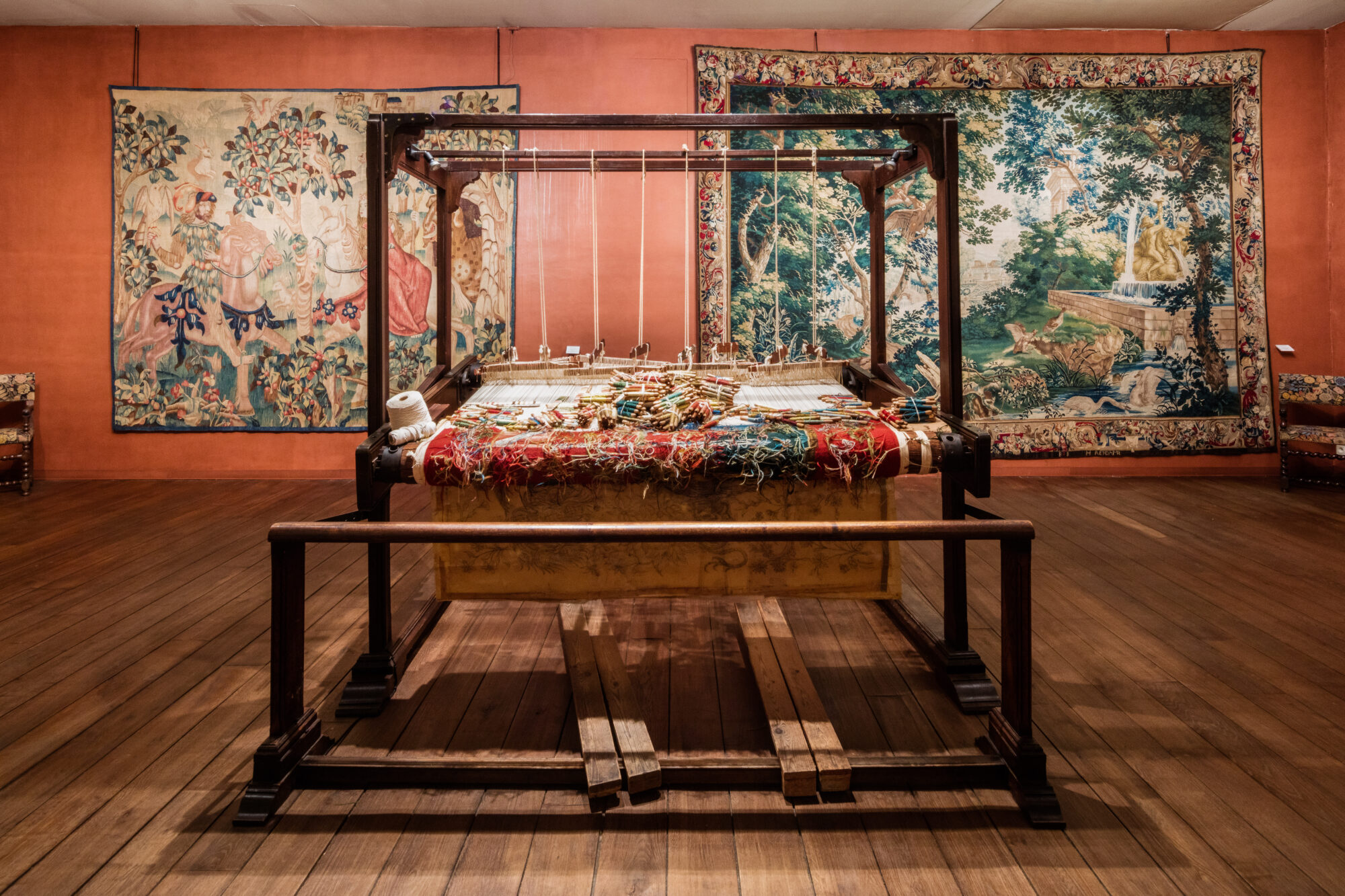
Imagine yourself in another world, surrounded by a colourful, wooded landscape with hills, towers and castles in the distance. Among the trees, you’ll discover beautiful flowers and exotic birds. This masterpiece is a product of unparalleled luxury, technical ingenuity and commercial ambition. Thread by thread, Museum Gouda unravels the story behind a forgotten global brand.
For centuries, tapestries were the ultimate expression of luxury. Raphael’s tapestries for the Sistine Chapel, for example, cost five times more than Michelangelo’s ceiling fresco. The centre of this prestigious weaving tradition in the Northern Netherlands was Gouda. In the 17th century, around 450 tapestry weavers worked here for clients both at home and abroad. Centuries after they were made, masterpieces from Sweden, Paris and the Rijksmuseum return to the city where they were originally created especially for this exhibition. The metres-high tapestries glow in the dimly lit exhibition galleries, much as they once did when adorning palaces and town halls.
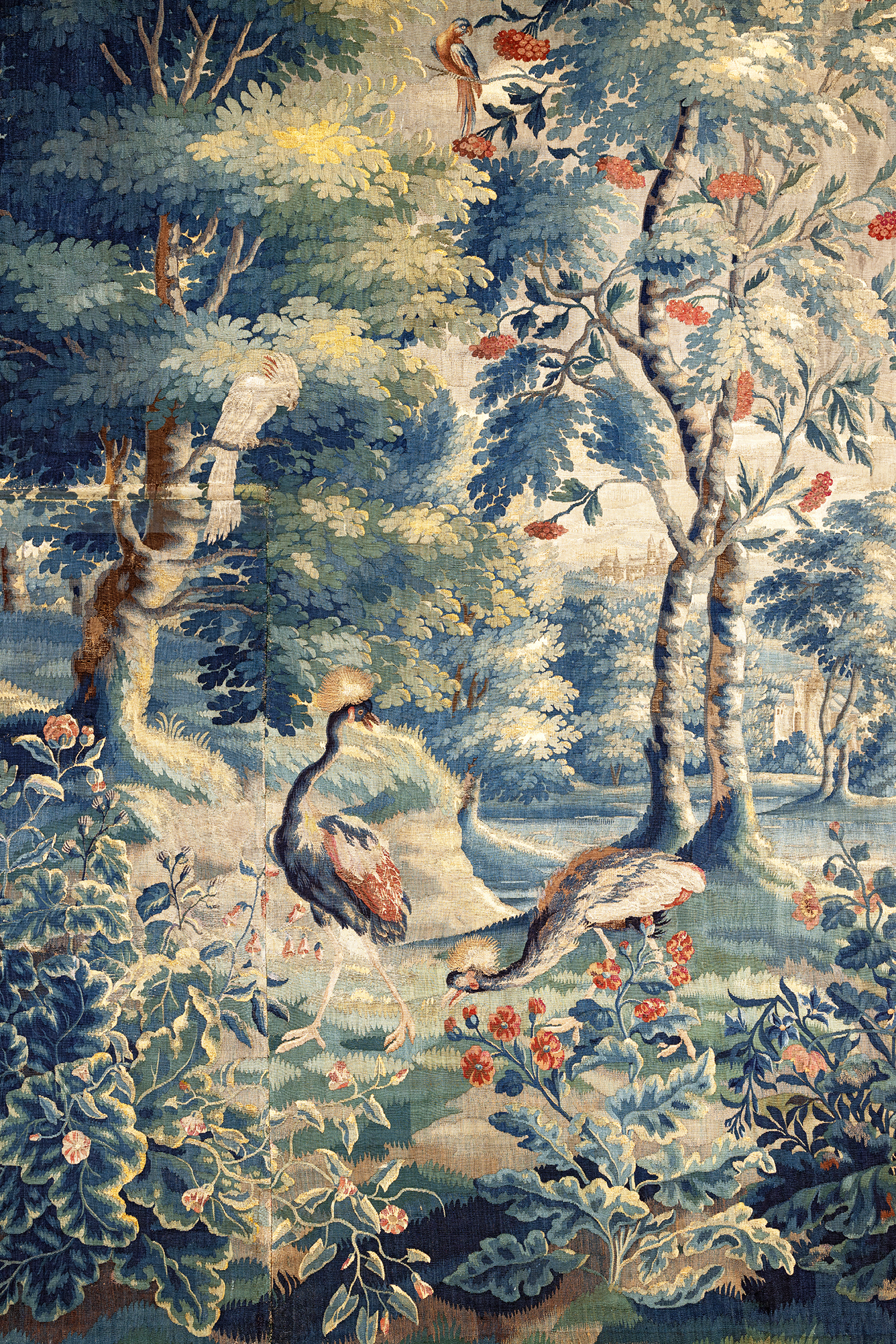 Detail landschapsverdure, Jannetje Wouters, Gemeente Gouda, foto: Aad Hoogendoorn
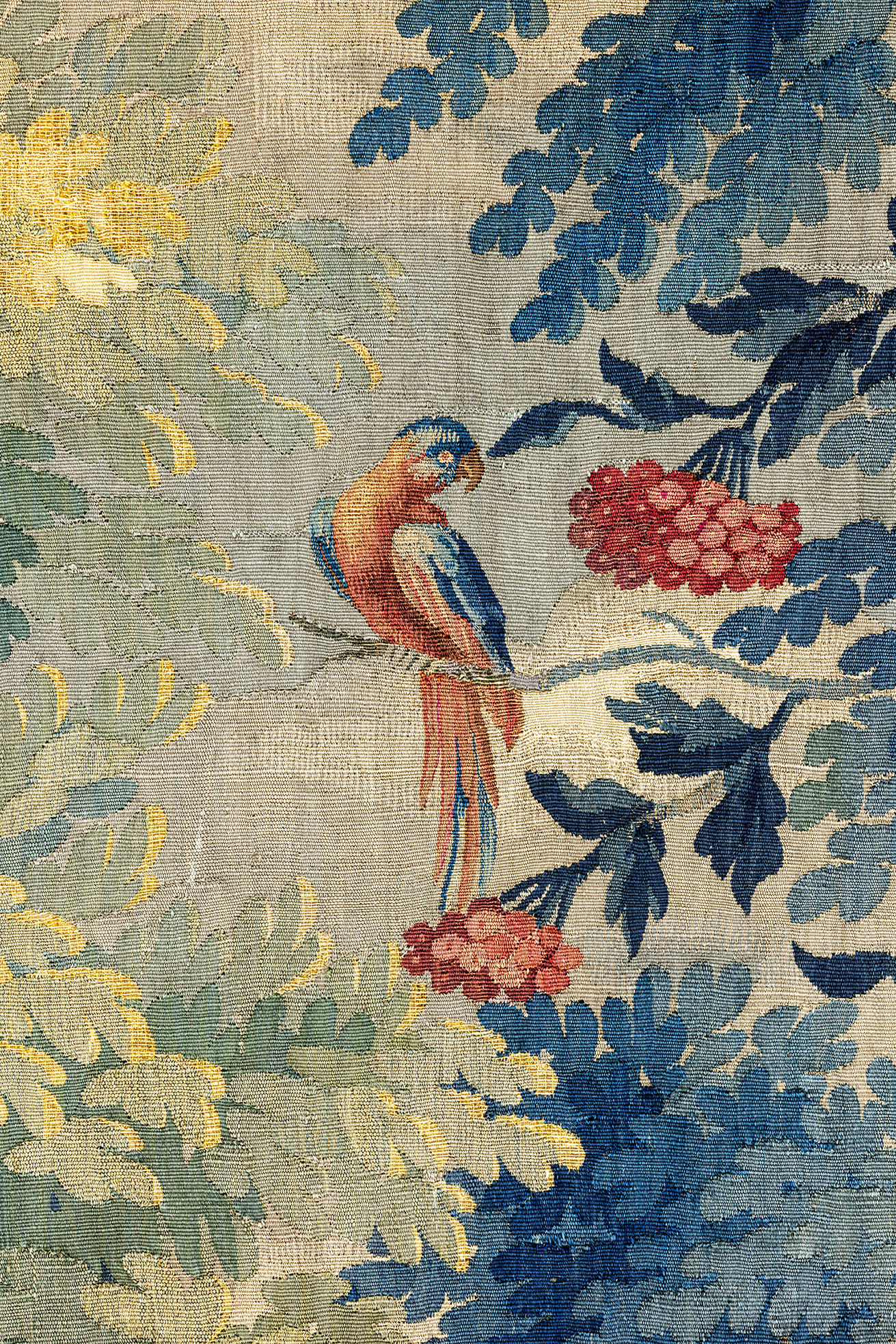 Detail landschapsverdure, Jannetje Wouters, Gemeente Gouda, foto: Aad Hoogendoorn
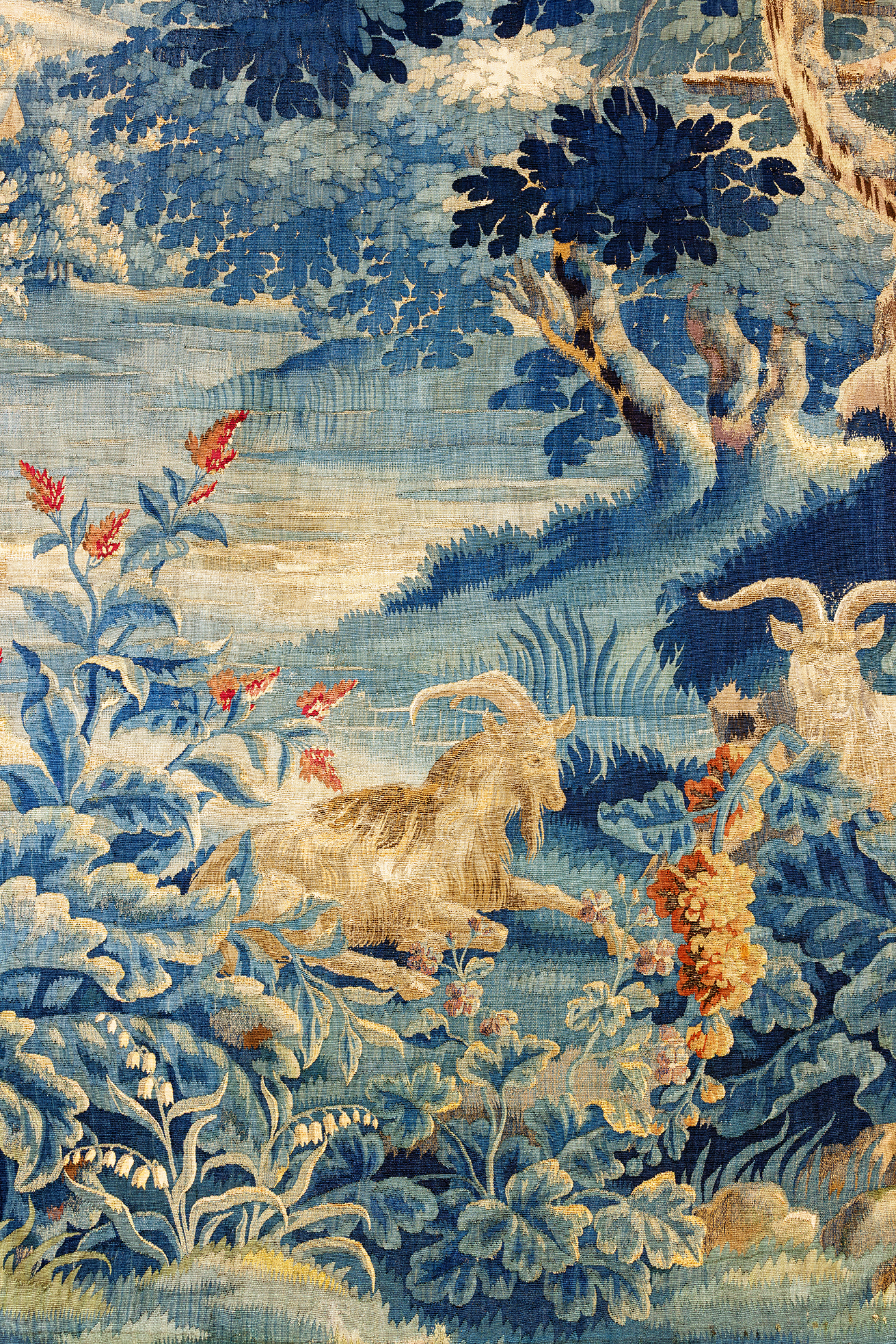 Detail landschapsverdure, Jannetje Wouters, Gemeente Gouda, foto: Aad Hoogendoorn
 Detail landschapsverdure, Jannetje Wouters, Gemeente Gouda, foto: Aad Hoogendoorn
External influences
How did Gouda suddenly become a tapestry-making centre? The answer lies partly in the city’s warm welcome to refugees from Flanders, and Gouda’s vacant monasteries were just the right size for their looms. The population grew by half in just a few decades, and the city became the Republic’s leading tapestry producer.
Thread by thread
These metres-high tapestries were made on horizontal looms, as wide as the tapestry was tall. The weaver first stretched long warp threads across the loom and then wove coloured wool and silk threads between them using small bobbins. It was painstaking work: on average, a weaver could complete no more than an area the size of a clenched fist each day. As a result, producing a large tapestry could take many months.
The woman behind the tapestry
She signed her work with a cross because she could not write. Yet she was the head of a world-class weaving workshop. For centuries, this forest landscape was attributed to a male weaver. New research, however, has revealed its true creator: Jannetje Wouters (c. 1640–1722). Who was this entrepreneur? Jannetje’s masterpiece is now on display at the museum for a limited time, after which it will return to the town hall.
In the seat of power
The patrons of these woven treasures included stadtholders, electors and even the Swedish royal family. Local magistrates commissioned cushions bearing their family coats of arms, allowing them to literally sit above the common people. We are reviving this tradition together with designer Mina Abouzahra, but this time it is not reserved for the ‘high and mighty’. Contemporary guilds – from sports clubs to neighbourhood initiatives – are given a place alongside their historical counterparts


Experience it for yourself
Feel the woven texture of the tapestry sample, discover hidden details with the audio tour, and try your hand at weaving in our open studio. Or follow the red thread with your (grand)children on our family trail. We are also organising a range of activities to accompany the exhibition, from a DIY evening to a ‘yap & yarn’ event.
Tip: Woven Letters
A wonderful addition to your visit to Wonder Walls: centuries-old weaving craftsmanship meets Dutch Design in Mina Abouzahra’s solo presentation, featuring furniture and rugs she has created over the past few years.
‘Wonder Walls’ was realised in collaboration with the RKD – Netherlands Institute for Art History and is made possible in part by the Mondriaan Fund, the Cultuurfonds, with additional support from the Barbas-van der Klaauw Fonds, the VSBfonds, the Gravin van Bylandt Stichting, Zonta Nederland and the Stichting Jac. Bezemer.